Detroit beat guide, how to use the free "WE OUTSIDE" hard Detroit type beat and build a release-ready track
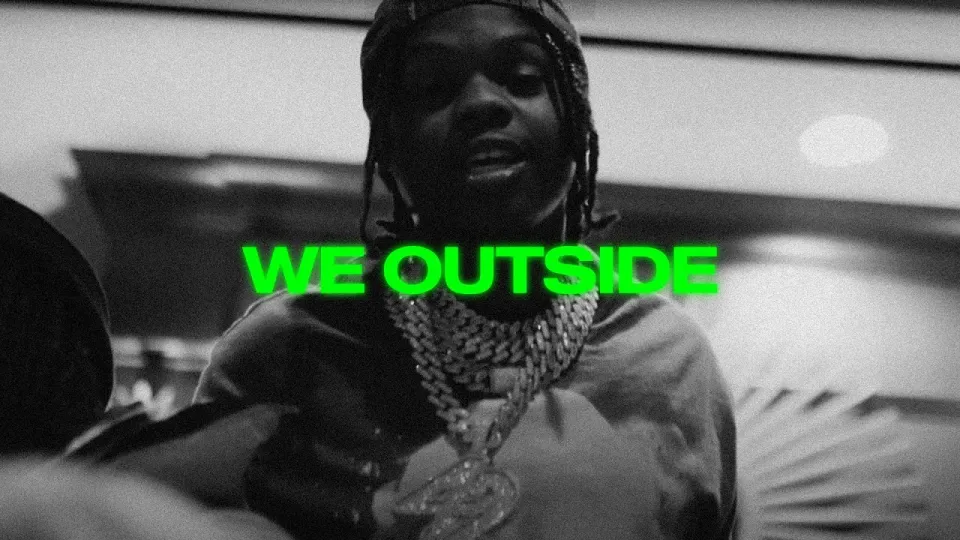
Video: (FREE) HARD DETROIT TYPE BEAT 2024 - "WE OUTSIDE"
You can order the same kind of articles for your own video to boost it on YouTube and Google. Just message the Telegram bot @sat_sit_bot. Articles with your video embedded are written and posted by the bot itself — on popular topical sites (no ads). Try it free: 50 articles on us.
· based on the channel davegotbeats
Key takeaways
- "WE OUTSIDE" is a hard Detroit type beat produced by davegotbeats and offered as a free download through https://bsta.rs/XPubtt.
- The beat was published on January 5, 2024, and the channel advertises a buy-two-get-two-free bundle on purchases made via that link.
- Free downloads are cleared for non-commercial use only; streaming on Spotify, Apple Music and similar platforms requires a paid license.
- The uploader offers 15+ additional free beats at davegotbeats.net and takes questions by email at davegotbeats1@gmail.com.
- Detroit type beats typically sit between 95 and 105 BPM with punchy 808s, off-grid hi-hats and a dark minor-key melody.
A Detroit beat is a rap instrumental built on the Detroit sound: punchy 808s, fast off-grid hi-hats, dark minor-key melodies and tempos that usually land between 95 and 105 BPM. The free hard Detroit type beat "WE OUTSIDE" from producer davegotbeats is a working example of that formula, and you can grab it through the free download and purchase page before you start writing. This guide breaks down what the beat gives you, how to write to it, how to mix your vocals over it, and what the free license actually allows.
What the "WE OUTSIDE" Detroit beat actually contains
The beat is a hard Detroit type instrumental released by davegotbeats on January 5, 2024, and it is distributed as a free download with an optional paid license. That combination is the standard model for type beats: the producer lets you test the sound for free, then charges when the record starts earning money.
The practical details matter more than the label on the file:
- Style: hard Detroit, meaning aggressive 808 patterns, crisp snares and a menacing melodic loop rather than a smooth, radio-friendly bed.
- Tempo range: Detroit-style records usually sit near 100 BPM, which is fast enough for double-time flows but slow enough for a laid-back pocket.
- Structure: expect an intro, a main loop, a verse section, a hook return and a short outro — enough arrangement to write a full song without extra editing.
- Mood: minor key, low-register bass, and a melody that leaves room for a rapper who wants to sound threatening rather than melodic.
The title "WE OUTSIDE" signals the intended energy: a record for a night out, a block anthem or a comeback statement. Listeners in the comments compared it to war-ready material and predicted it would climb in views, which tells you the beat reads as aggressive rather than melancholy.
How to write a verse over a hard Detroit type beat
Writing to a Detroit beat works best when you treat the 808 as a second voice instead of background noise. The low end carries the rhythm, so your flow has to lock with it rather than fight it.
- Loop the verse section and count the bars out loud before writing a single line. Most Detroit type beats run in eight-bar phrases, so a sixteen-bar verse is two clean passes.
- Map your punchlines to the 808 hits. Where the bass note lands, place a stressed syllable — this is what makes a Detroit record feel glued together.
- Use the hi-hat pattern as your timing reference, not the kick. The hats in this style are fast and slightly off the grid, so following them keeps your delivery from sounding stiff.
- Leave the last two bars of every eight-bar block open for a breath or an ad-lib. Hard beats are dense, and space makes aggression hit harder.
- Record a scratch take at low volume first. Detroit beats reward conviction, and conviction is easier to judge when you are not worried about a perfect vocal chain.
If you write a hook, keep it short and repeatable. The instrumental already provides the intensity, so the vocal hook only needs to be a slogan — a phrase the listener can shout back.
Mixing vocals over a Detroit type beat
The main mixing problem with Detroit beats is low-end collision: your vocal competes with an 808 that is already occupying the same frequency range as a male voice. Solving that is mostly subtractive work.
- High-pass your lead vocal around 80–100 Hz so it stops fighting the sub frequencies.
- Cut a narrow notch in the 200–400 Hz region on the vocal if it sounds boxy, and a matching cut on the beat if the two still clash.
- Compress the lead vocal in two stages — a gentle 2:1 stage for level control and a faster stage for consistency — rather than one heavy compressor.
- Add light saturation instead of more volume when the vocal does not cut through. Saturation creates harmonics above the 808 range, which is where the ear looks for clarity.
- Keep reverb short. Long tails smear the fast hi-hats and make the whole record feel slower than it is.
If you are mixing on headphones, check the balance on a phone speaker once. Detroit records are often played on small speakers, and a mix that only works on headphones will fall apart there.
Free download vs paid license
The beat is advertised as free, but free does not mean unrestricted, and this is where most independent artists get into trouble. The uploader states plainly that a license is required for streaming on platforms such as Apple Music and Spotify.
A simple way to think about it:
- Free download: fine for writing, demos, practice recordings and non-commercial uploads where the producer's terms allow it.
- Paid license: required the moment your song goes to streaming services or starts generating revenue.
- Bundle offers: the producer runs a buy-two-get-two-free promotion through the purchase link, which is useful if you are planning an EP rather than a single.
Before you release anything, read the license file that comes with your purchase and check whether it covers the number of streams, the number of videos and the distribution platforms you plan to use. If something is unclear, contact the producer directly rather than guessing.
Common questions producers and artists ask about this beat
Most of the questions around a free type beat are practical rather than creative, and they repeat across every release.
- Can I upload a song using this beat to Spotify? Only with a paid license, because the producer explicitly requires one for streaming.
- Can I monetize a YouTube video with it? Check the license tier you bought; free tiers usually exclude monetization even when they allow uploads.
- Do I need to credit the producer? Credit is standard practice and often a license condition, so put the producer name in the title or description.
- Can I get stems or a tracked-out version? That depends on the license tier — ask by email before you mix, not after.
- Is the beat exclusive? Free type beats are typically non-exclusive, meaning other artists can use the same instrumental.
If you want a different energy, the same channel publishes a library of free beats at davegotbeats.net, so you can audition several instrumentals before committing to one.
Useful links
- Free download and purchase page for "WE OUTSIDE": https://bsta.rs/XPubtt
- Free beat library from the same producer: davegotbeats.net
- Contact for licensing questions: davegotbeats1@gmail.com
Final thoughts on working with this Detroit beat
The "WE OUTSIDE" instrumental is a straightforward, aggressive Detroit type beat that gives you a clear pocket, a strong low end and enough arrangement to write a complete record without extra production work. Treat the 808 as the rhythmic anchor, mix your vocal subtractively, and settle the licensing question before you upload anything to a streaming platform. The free download through the purchase page is the fastest way to start, and the buy-two-get-two-free offer makes sense if you already know you want more than one track. This breakdown was put together around the work of the davegotbeats channel, which produced and published the beat.
Questions & answers
Can I release a song on Spotify using the free "WE OUTSIDE" Detroit beat?
Not on the free tier. The producer states that a license is required for streaming on services such as Apple Music and Spotify. Buy the appropriate license through the purchase page before you distribute, and keep the license file for your records.
Do I have to credit davegotbeats when I use this beat?
Credit is standard practice in the type beat scene and is usually written into the license terms. Put the producer's name in your song title or description, and check the license text for the exact wording required.
What tempo and style should I expect from a hard Detroit type beat?
Detroit type beats generally sit between 95 and 105 BPM, with punchy 808s, fast off-grid hi-hats and dark minor-key melodies. That range supports both double-time flows and slower, more menacing deliveries.
Can I get an exclusive version or the stems for this beat?
Exclusivity and tracked-out stems depend on the license tier you purchase, and free downloads almost never include them. Email the producer at davegotbeats1@gmail.com with your intended use and ask which tier covers it.
Source: (FREE) HARD DETROIT TYPE BEAT 2024 - "WE OUTSIDE" · Markdown version